Presidency
The President runs the executive branch.
In plain words
Article II vests executive power in a single President, elected for a four-year term.
Official text · Article II, Section 1
The executive Power shall be vested in a President of the United States of America.
U.S. Constitution, Article II, Section 1 · collected 2026-11-25
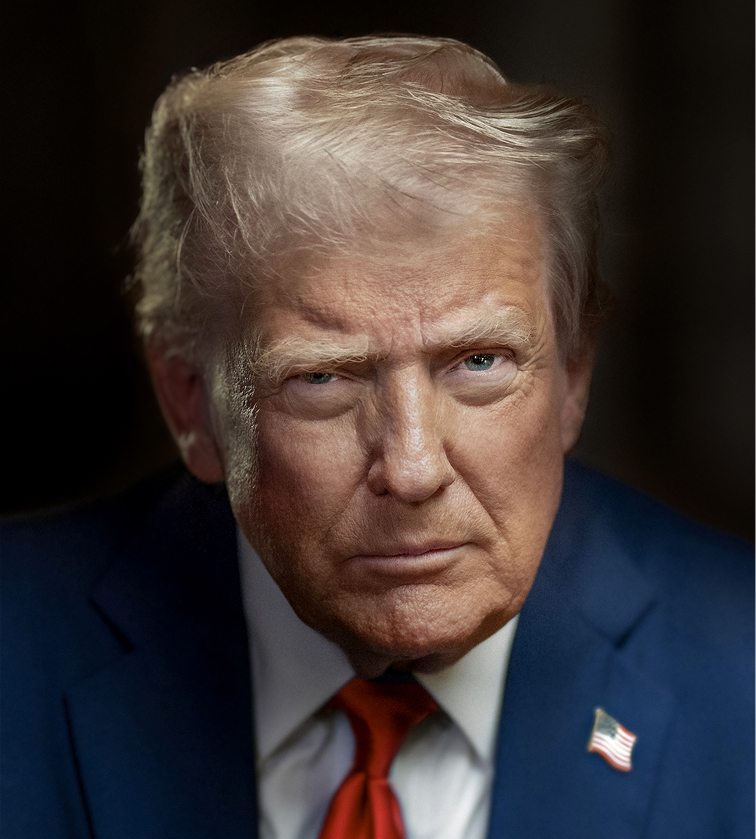
President
Donald J. Trump
Official portrait · White House ↗

Vice President
JD Vance
Official portrait · White House ↗
Who runs the executive departments
The President picks Cabinet secretaries and other senior officials, and the Senate confirms most of them. Each one leads a department or office, such as Treasury, Defense or National Intelligence. Names come straight from the White House Cabinet page.
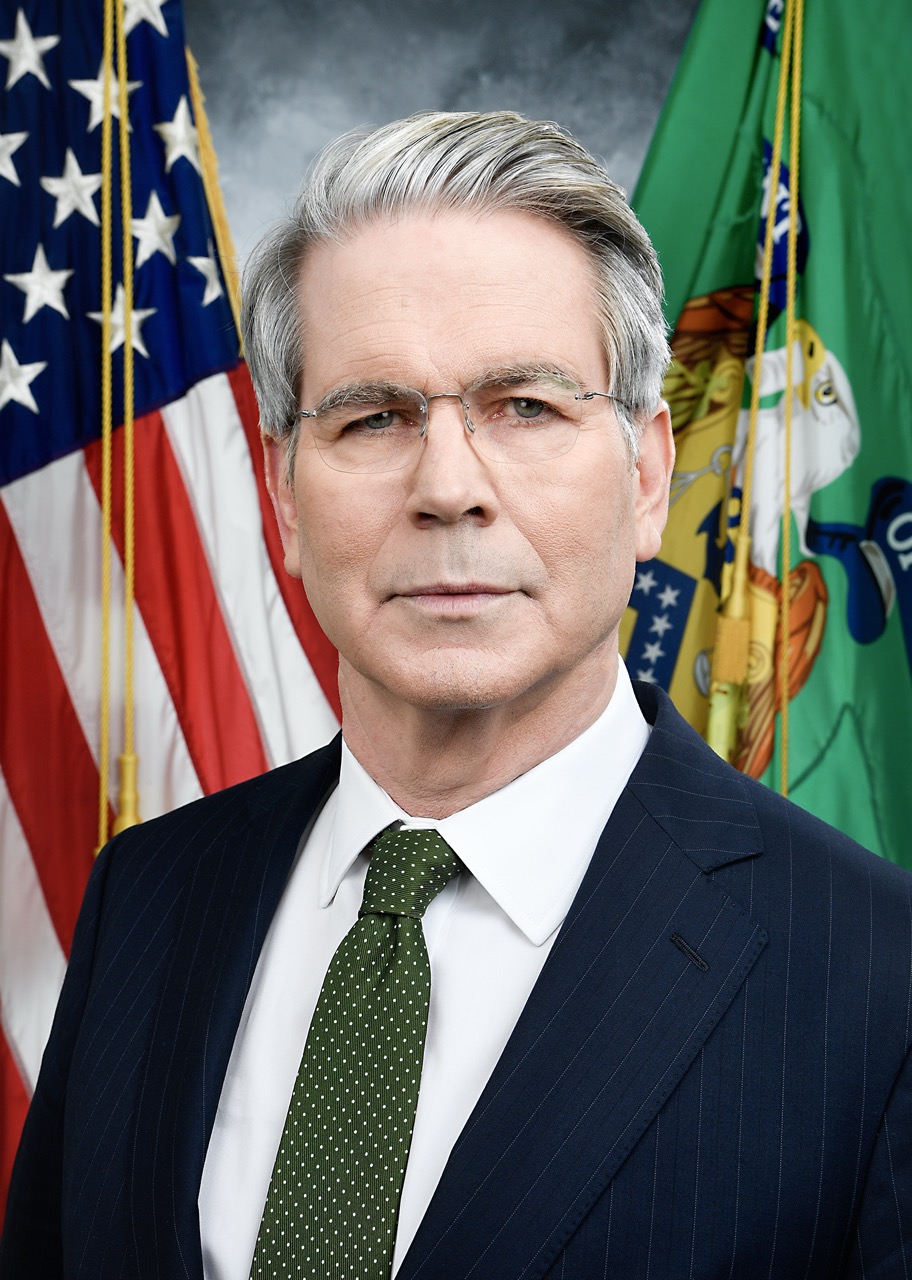

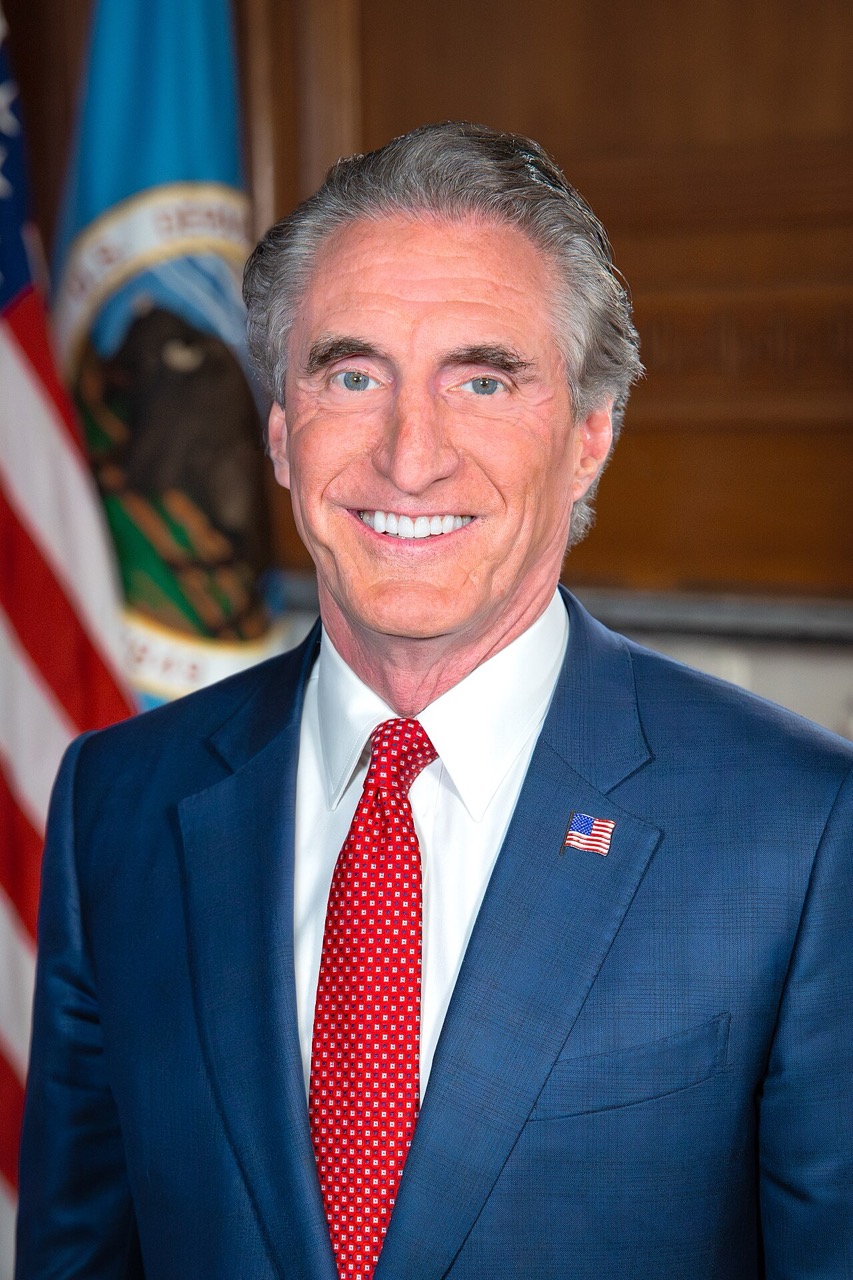
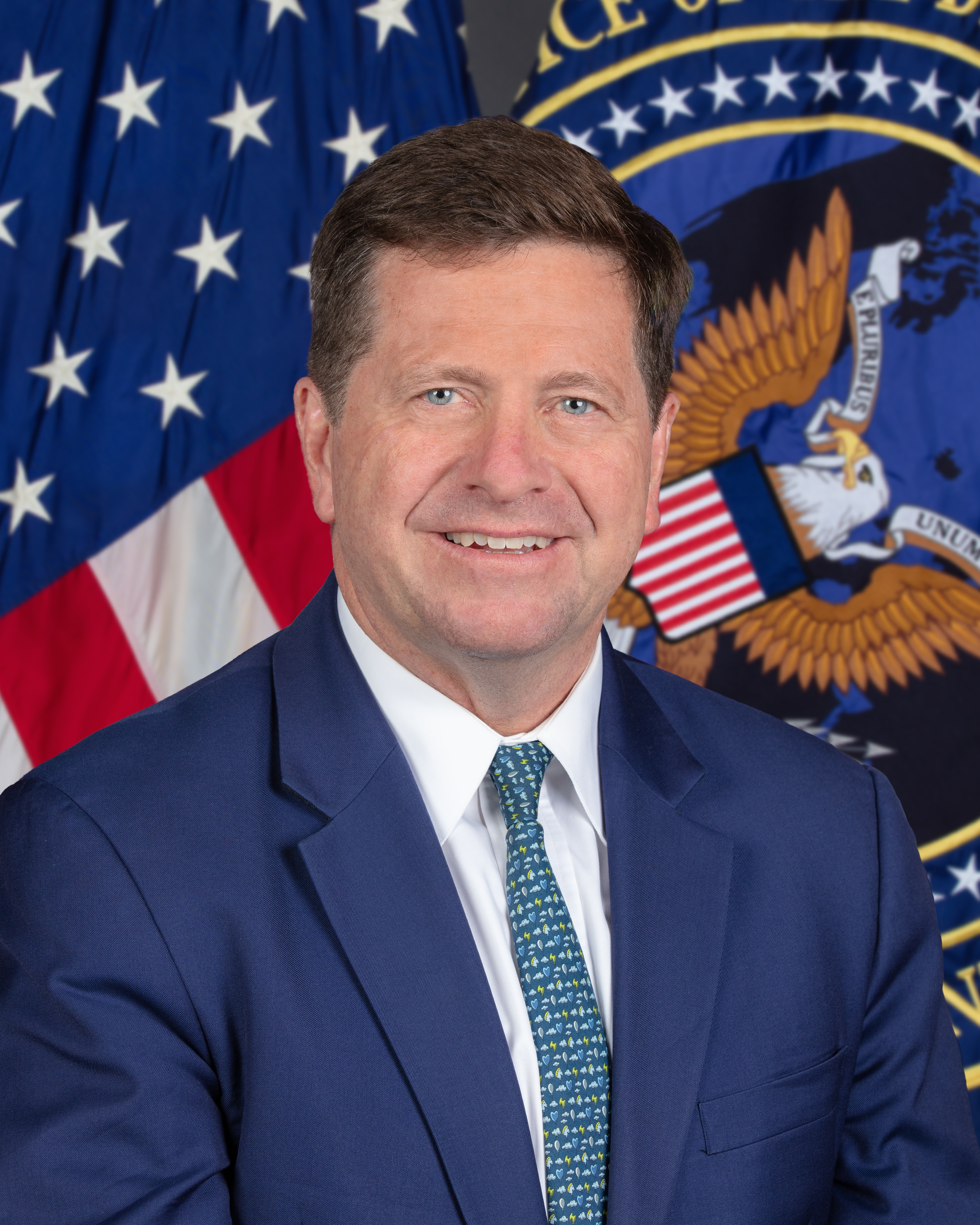




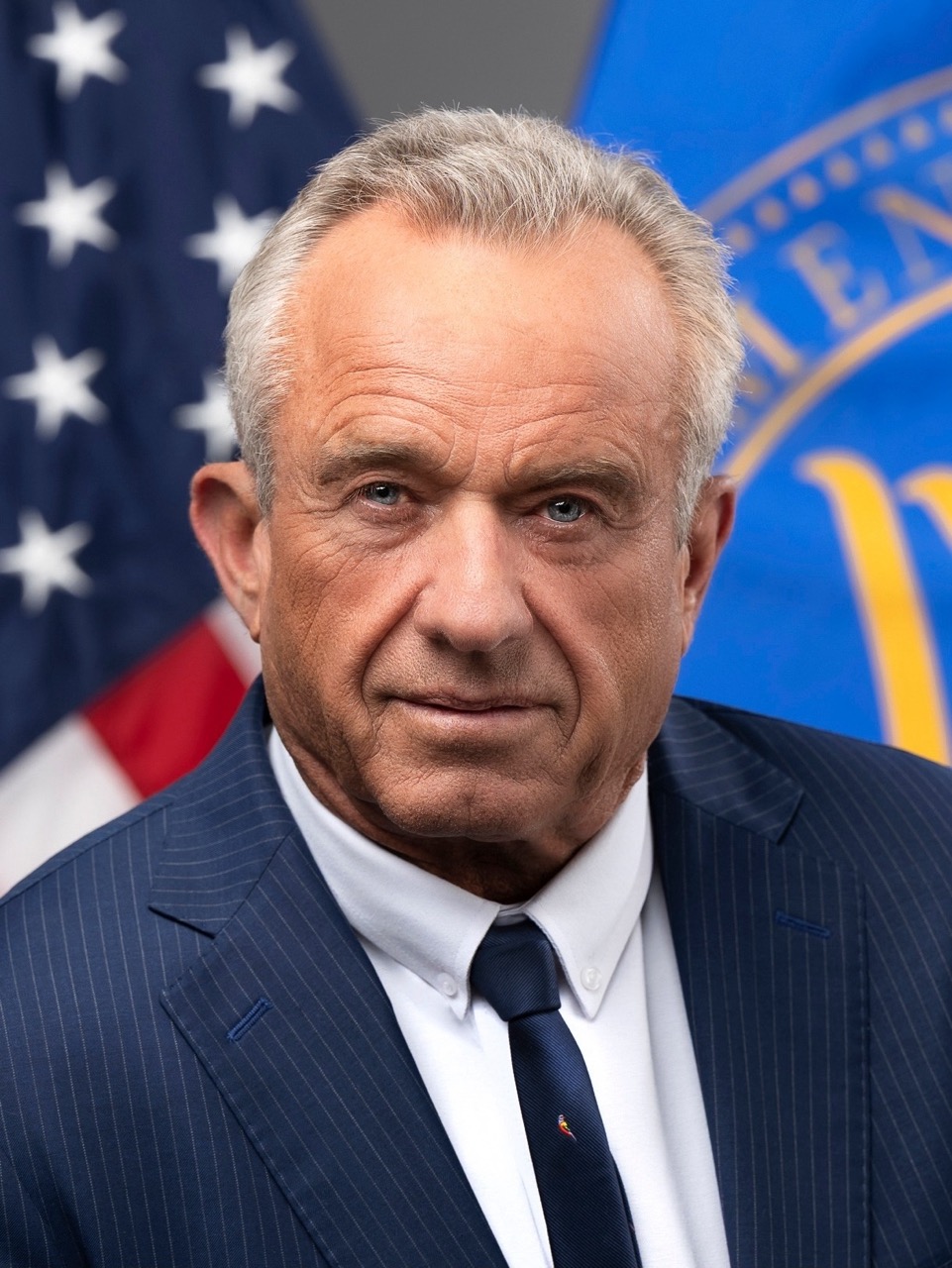
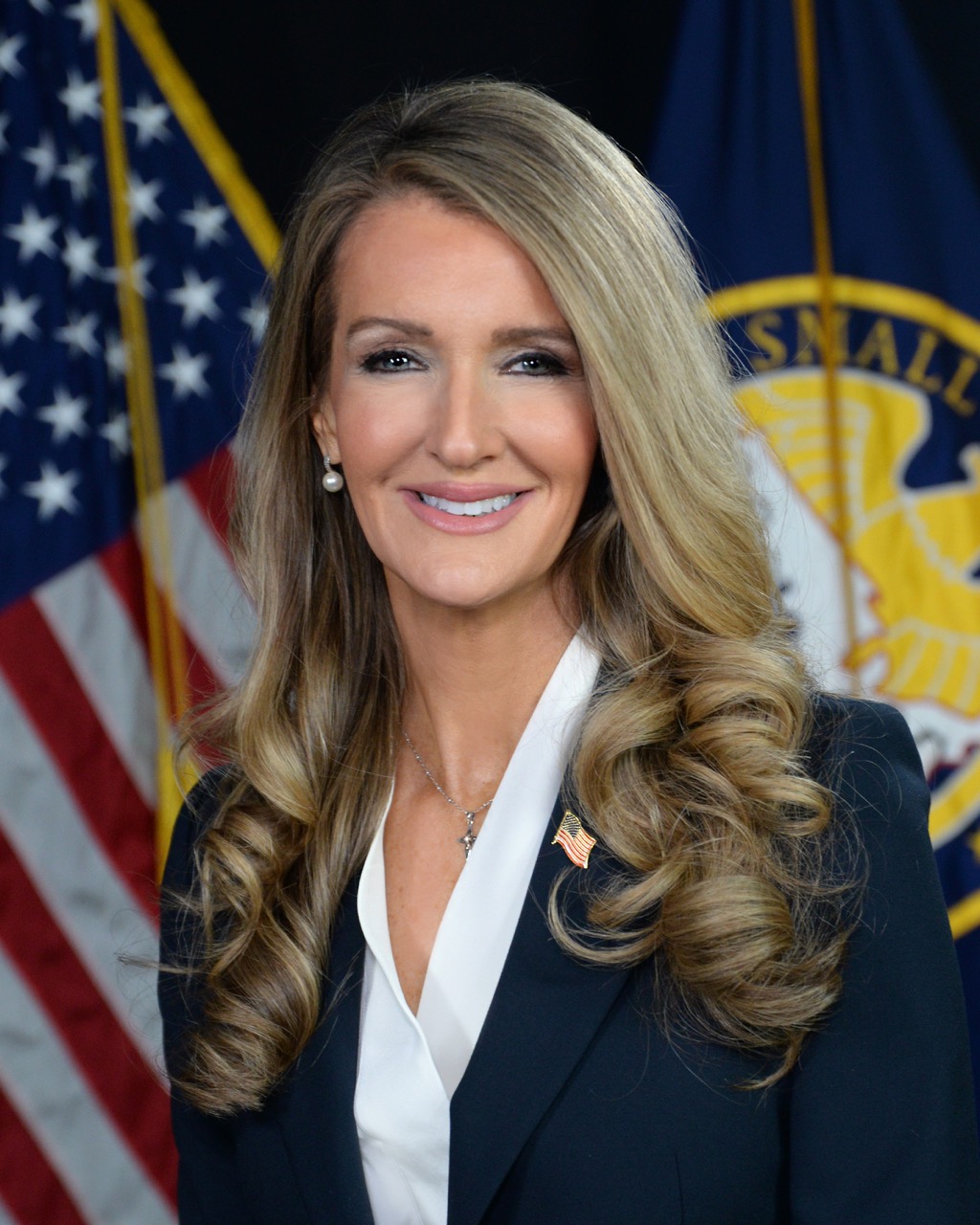
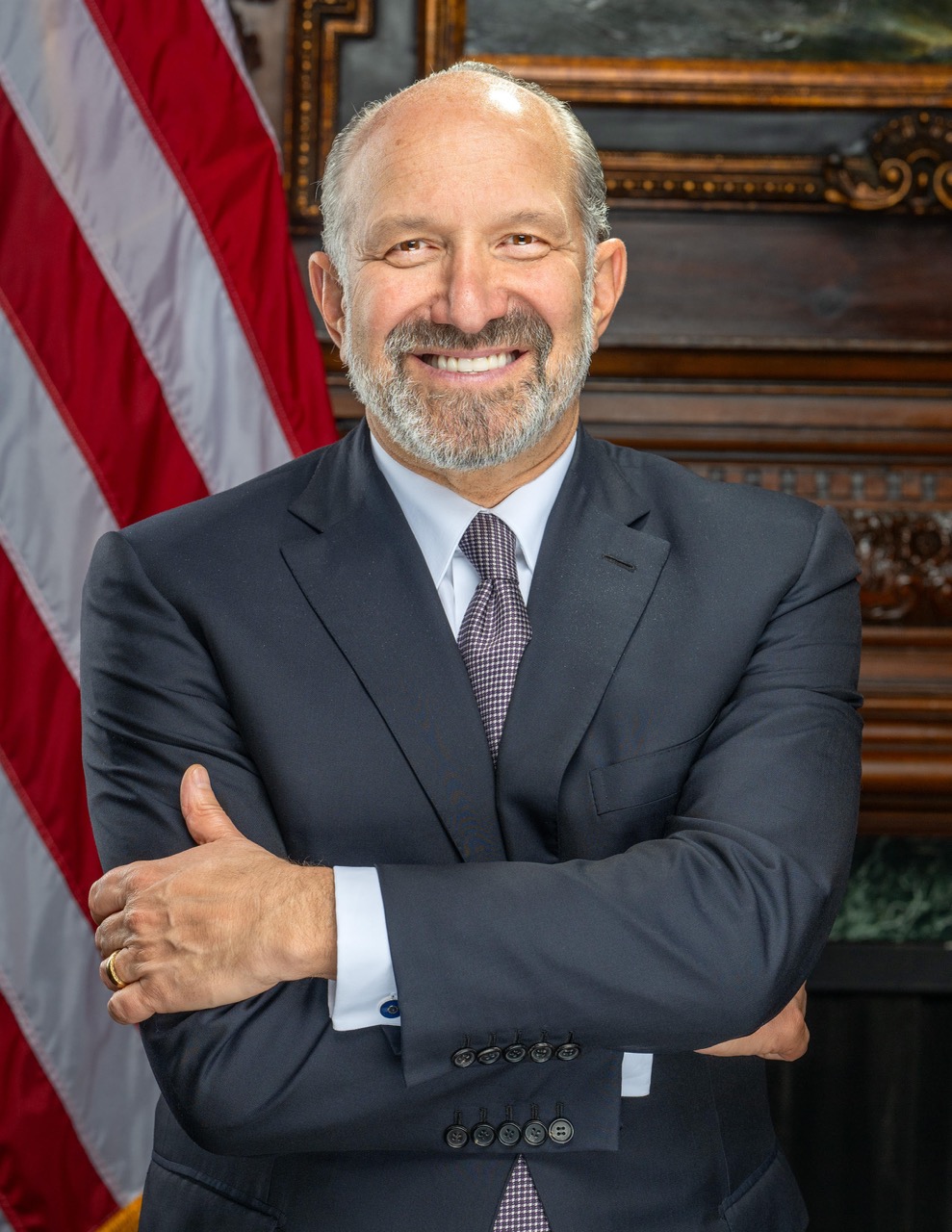


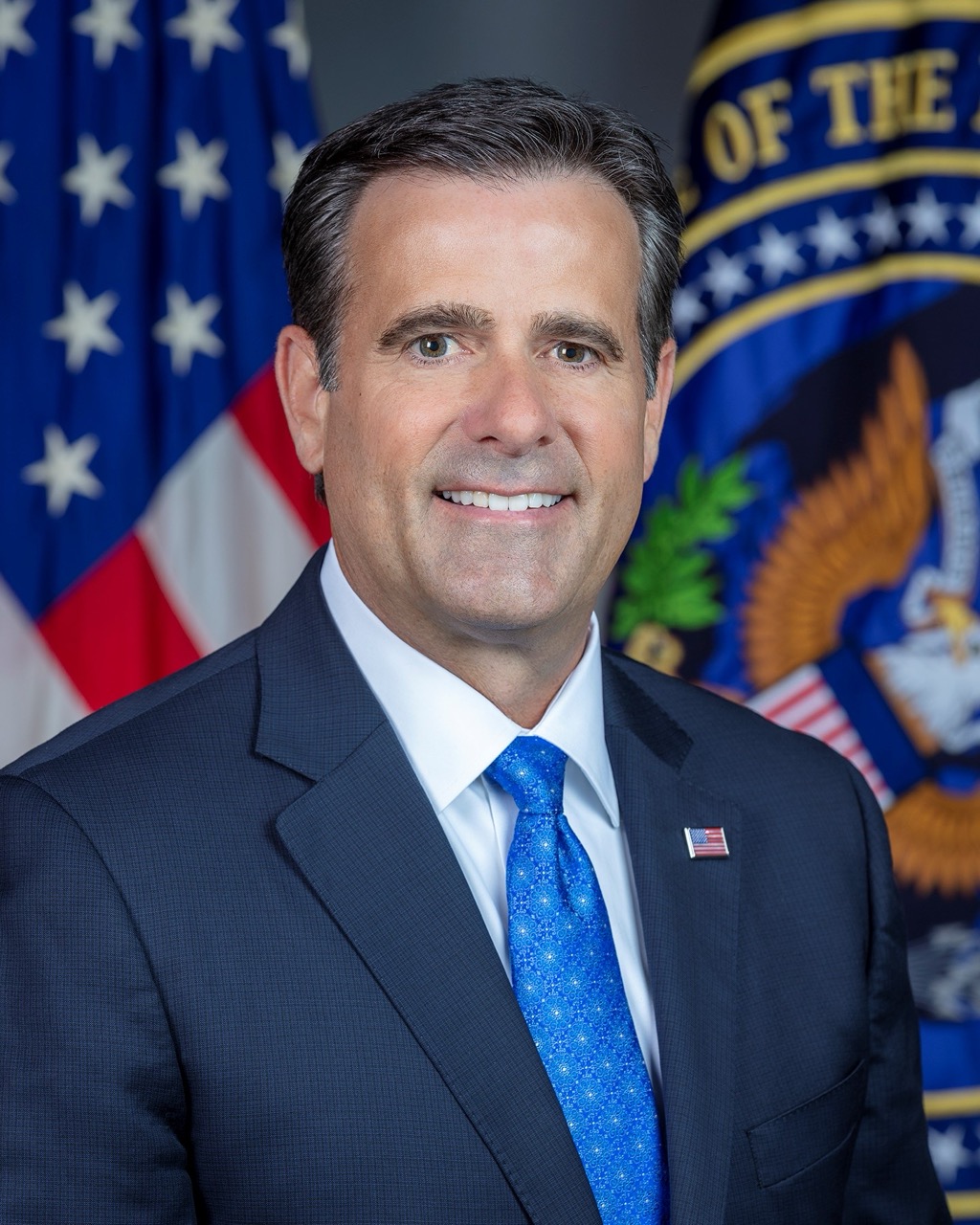

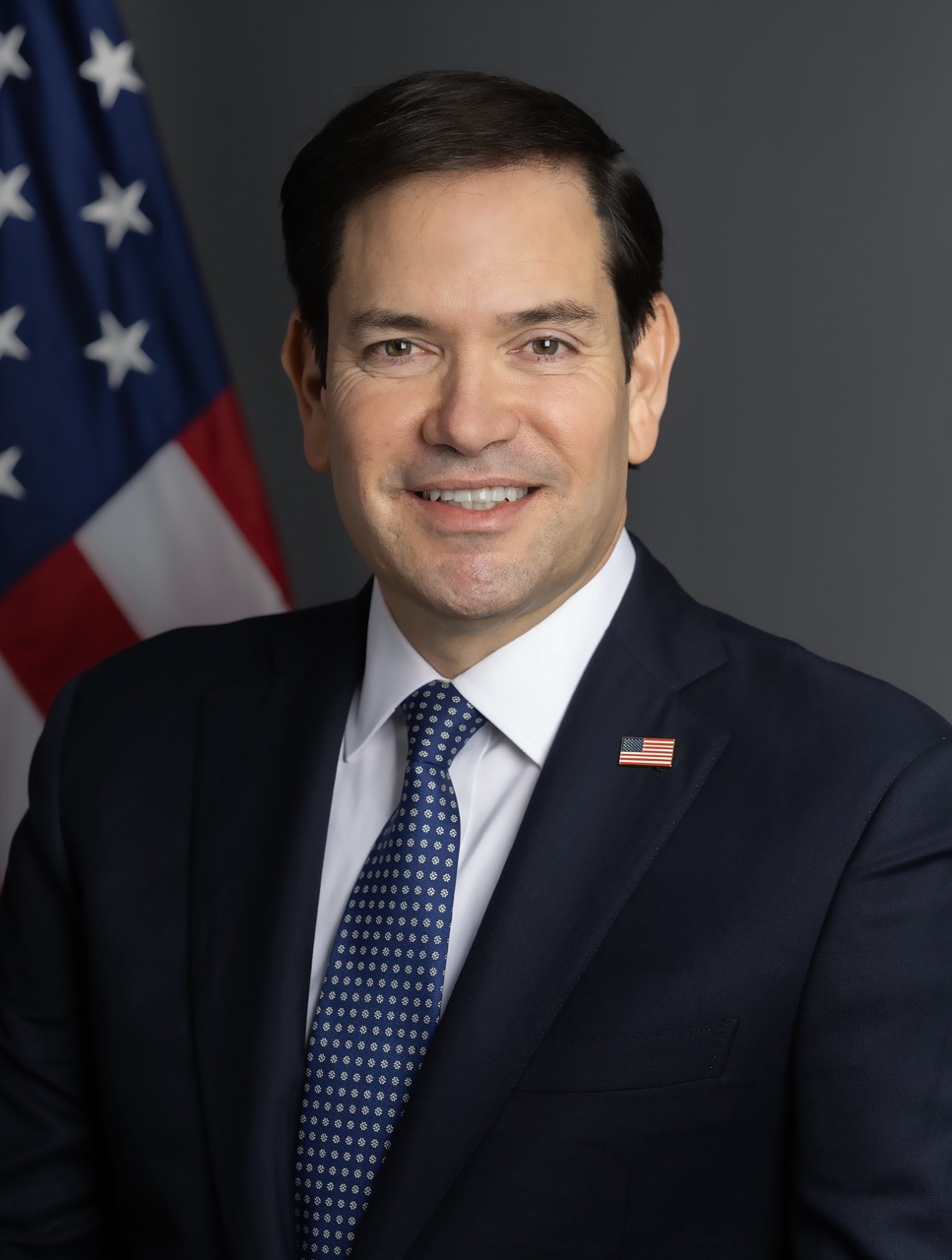
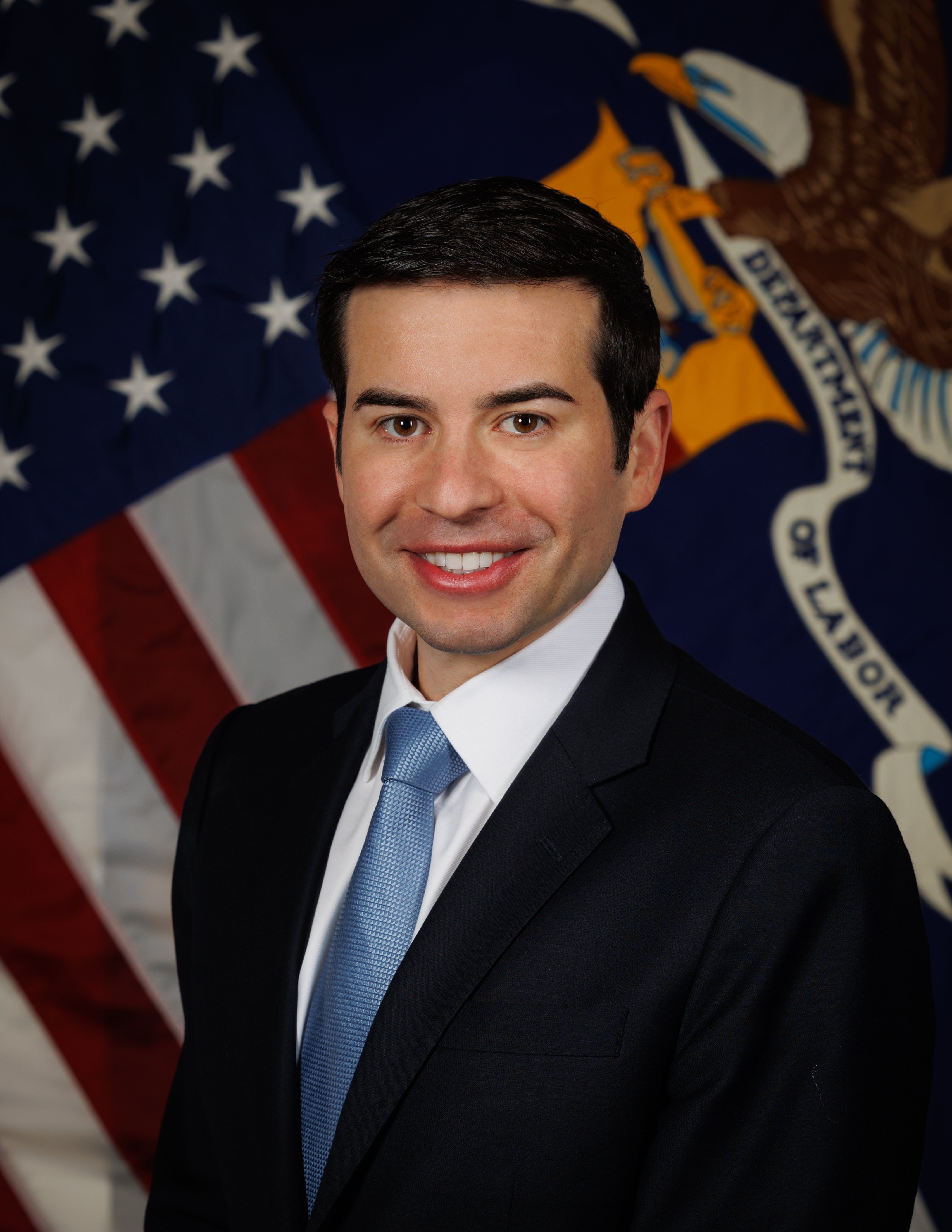
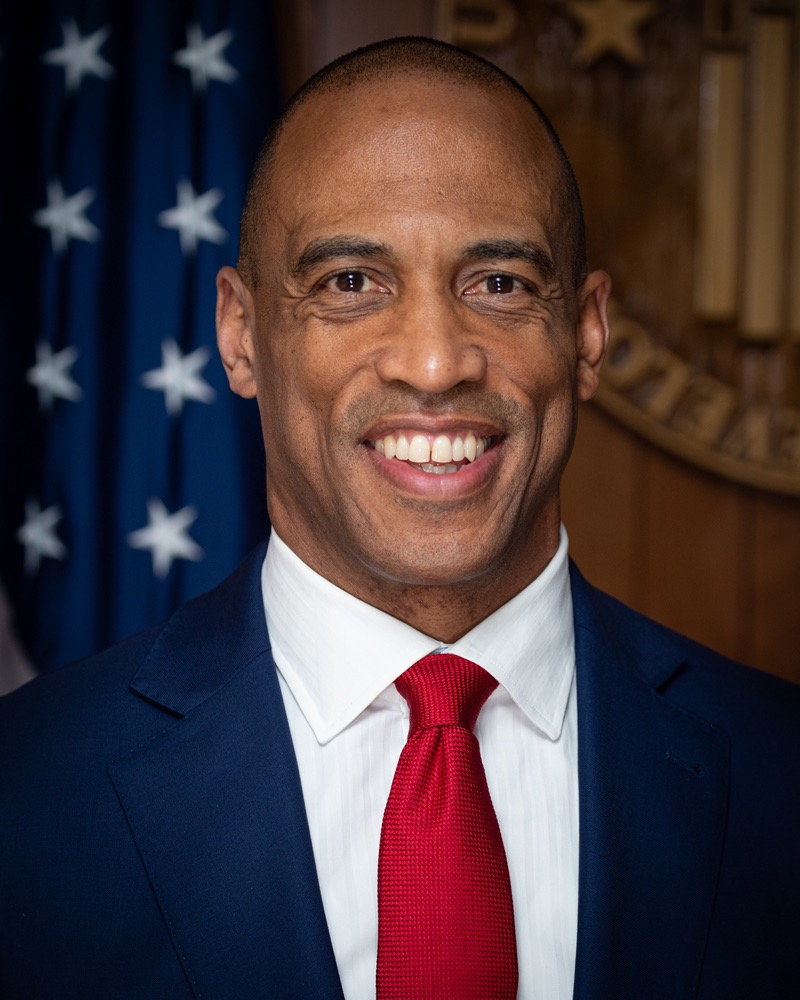

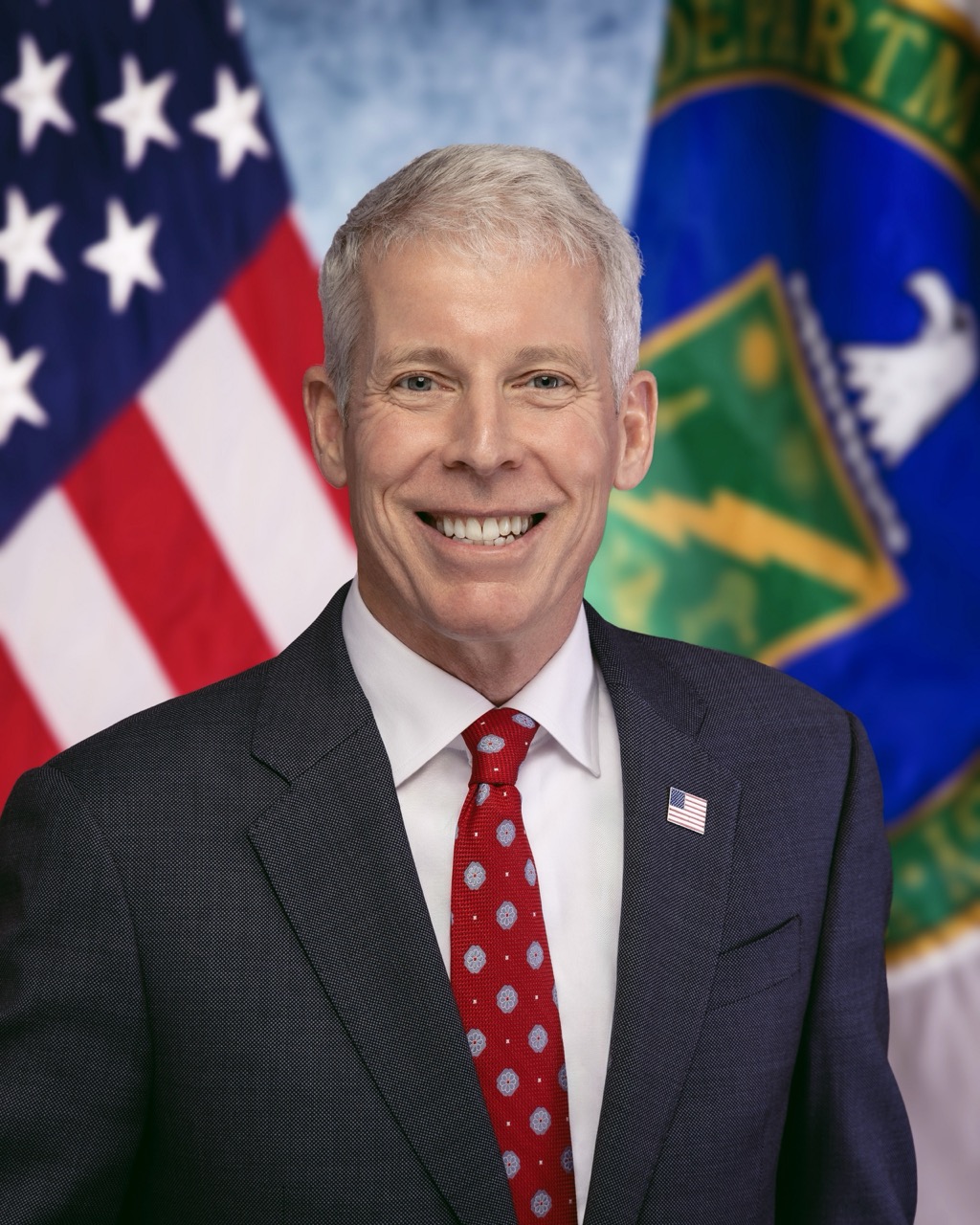
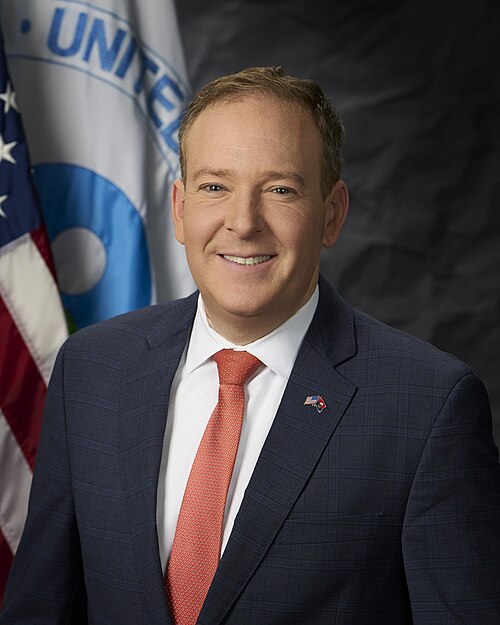
Tier 1 · White House: The Cabinet ↗ · checked 2026-11-29 · 21 officials listed
Powers & limits
Executive power and term
The President holds executive power and serves a four-year term.
Official text · Article II, Section 1
The executive Power shall be vested in a President of the United States of America. He shall hold his Office during the Term of four Years, and, together with the Vice President, chosen for the same Term, be elected, as follows Each State shall appoint, in such Manner as the Legislature thereof may direct, a Number of Electors, equal to the whole Number of Senators and Representatives to which the State may be entitled in the Congress: but no Senator or Representative, or Person holding an Office of Trust or Profit under the United States, shall be appointed an Elector.Military command and pardons
The President commands the armed forces and may pardon federal offenses, except in impeachment cases.
Official text · Article II, Section 2
The President shall be Commander in Chief of the Army and Navy of the United States, and of the Militia of the several States, when called into the actual Service of the United States; he may require the Opinion, in writing, of the principal Officer in each of the executive Departments, upon any Subject relating to the Duties of their respective Offices, and he shall have Power to grant Reprieves and Pardons for Offences against the United States, except in Cases of Impeachment.Treaties and appointments
Treaties need agreement from two-thirds of senators present. Many appointments also need the Senate’s consent.
Official text · Article II, Section 2
He shall have Power, by and with the Advice and Consent of the Senate, to make Treaties, provided two thirds of the Senators present concur; and he shall nominate, and by and with the Advice and Consent of the Senate, shall appoint Ambassadors, other public Ministers and Consuls, Judges of the supreme Court, and all other Officers of the United States, whose Appointments are not herein otherwise provided for, and which shall be established by Law: but the Congress may by Law vest the Appointment of such inferior Officers, as they think proper, in the President alone, in the Courts of Law, or in the Heads of Departments.Source: National Archives · Constitution transcript · checked 2026-11-26. Original text may be affected by later amendments. Editorial explanations, not legal advice.
This printout contains the current page or reading part only. Source links and collection dates are retained; later updates may change the record.